
The Grand Reopening
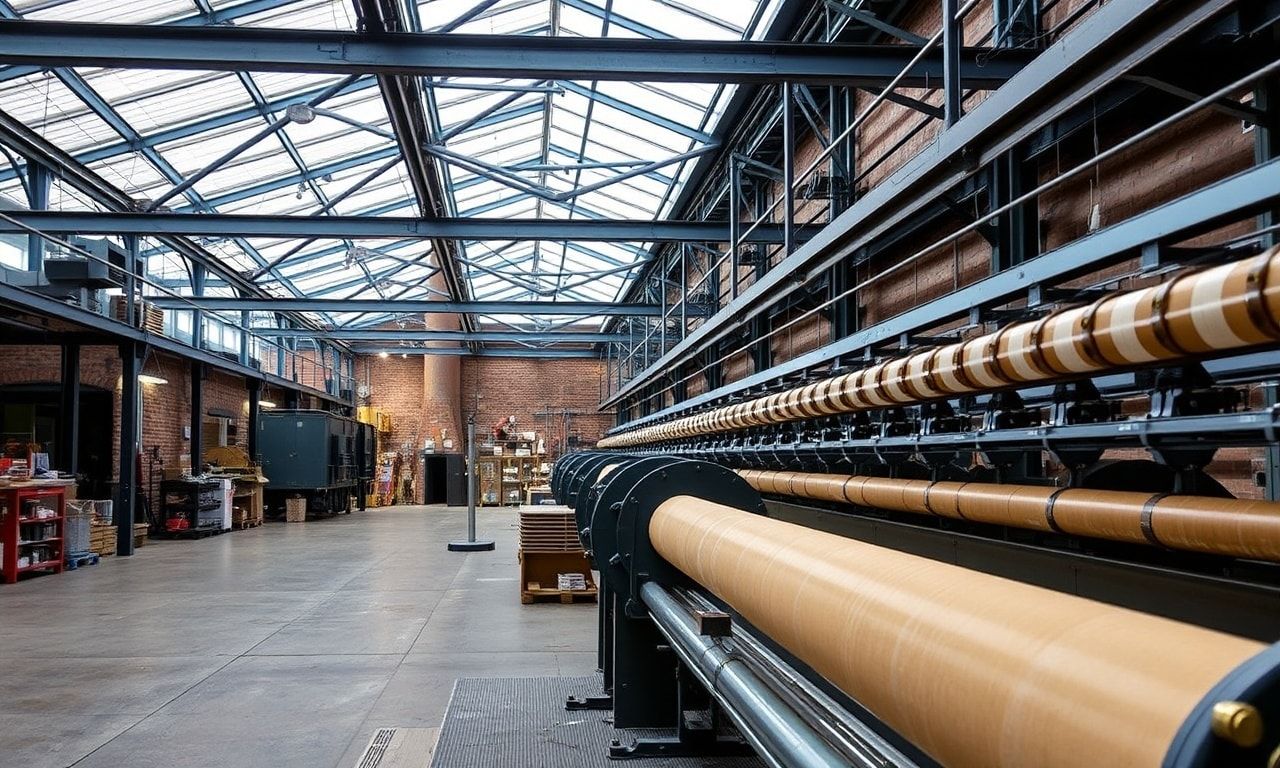
In a significant boost to Stirling’s cultural and economic landscape, the historic Stirling Textile Mill has reopened its doors after an extensive restoration project. The mill, which dates back to the 19th century, has been meticulously restored to its former glory, blending heritage with modern amenities. The reopening ceremony, attended by local dignitaries and enthusiasts, marked a new chapter in the city’s rich industrial history.
A Journey Through Time
The Stirling Textile Mill was once a bustling hub of activity, employing hundreds of locals and contributing significantly to the region’s economy. Over the years, it fell into disuse, but its historical significance never waned. The restoration project, spearheaded by a consortium of local historians and business leaders, aimed to preserve the mill’s heritage while adapting it for contemporary use. The result is a stunning blend of old and new, where visitors can explore the mill’s past while enjoying modern comforts.
Key Features of the Restored Mill
The restored mill boasts a range of features that cater to both history buffs and modern visitors. The original machinery has been preserved and is now on display, offering a glimpse into the industrial processes of the past. Interactive exhibits allow visitors to engage with the mill’s history in a hands-on way. Additionally, the mill now houses a state-of-the-art visitor center, a café, and a retail space selling locally made products.
Economic and Cultural Impact
The reopening of the Stirling Textile Mill is expected to have a profound impact on the local economy. The mill’s new facilities are projected to attract thousands of visitors each year, boosting tourism and creating new job opportunities. Moreover, the mill’s focus on local products and crafts will support local artisans and businesses, fostering a sense of community and pride.
Fashion and Heritage
One of the mill’s unique offerings is its connection to the world of fashion. The restored mill includes a section dedicated to vintage fashion, showcasing garments from different eras. For those interested in exploring vintage fashion further, the mill provides a vintage fashion shopping guide that highlights the best places to find authentic vintage pieces. This section not only celebrates the mill’s textile heritage but also inspires visitors to appreciate the artistry and craftsmanship of past generations.
Community Engagement and Education
The mill’s restoration project has been a collaborative effort, involving the local community at every step. Workshops and educational programs have been designed to engage students and adults alike, offering insights into the mill’s history and the textile industry. These programs aim to inspire the next generation of historians, artisans, and entrepreneurs, ensuring that the mill’s legacy continues to thrive.
Future Plans
Looking ahead, the mill’s management has ambitious plans to expand its offerings. Future projects include the establishment of a textile museum, a series of cultural events, and collaborations with local schools and universities. These initiatives will further cement the mill’s role as a cultural and educational hub, attracting visitors from far and wide.
A Testament to Stirling’s Resilience
The reopening of the Stirling Textile Mill is a testament to the city’s resilience and commitment to preserving its heritage. It stands as a symbol of Stirling’s ability to adapt and innovate, ensuring that its rich history continues to inspire and educate future generations. As the mill welcomes its first visitors, it heralds a new era of cultural and economic prosperity for the city.