Man Causes Disturbance in Alloa and Hospitalizes Others: A Detailed Account
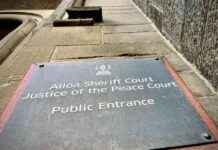
In a startling turn of events in the town of Alloa, a 29-year-old man from Stirling, Kieran Wozniak, found himself at the center of chaos that unfolded both in a residential area and a hospital. The series of events, which involved aggressive behavior and verbal abuse, culminated in Wozniak’s appearance at Alloa Sheriff Court on May 4.
Disturbance at a Residential Property
The incident began on January 7 when Kieran Wozniak made an uninvited visit to a house on Church Place in Alloa. Witnesses reported that Wozniak approached the property and began kicking the door, causing a commotion that alarmed the residents and neighbors. His actions escalated as he shouted and swore, creating a tense and disruptive atmosphere in the otherwise peaceful neighborhood.
The erratic behavior displayed by Wozniak left those present feeling intimidated and threatened. The residents of the house, who were taken aback by the sudden intrusion and aggressive outburst, were left shaken by the ordeal. The impact of Wozniak’s actions reverberated through the community, raising concerns about safety and security in Alloa.
Disorder at Forth Valley Hospital
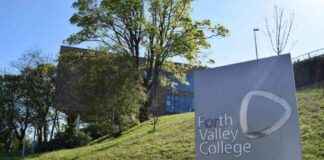
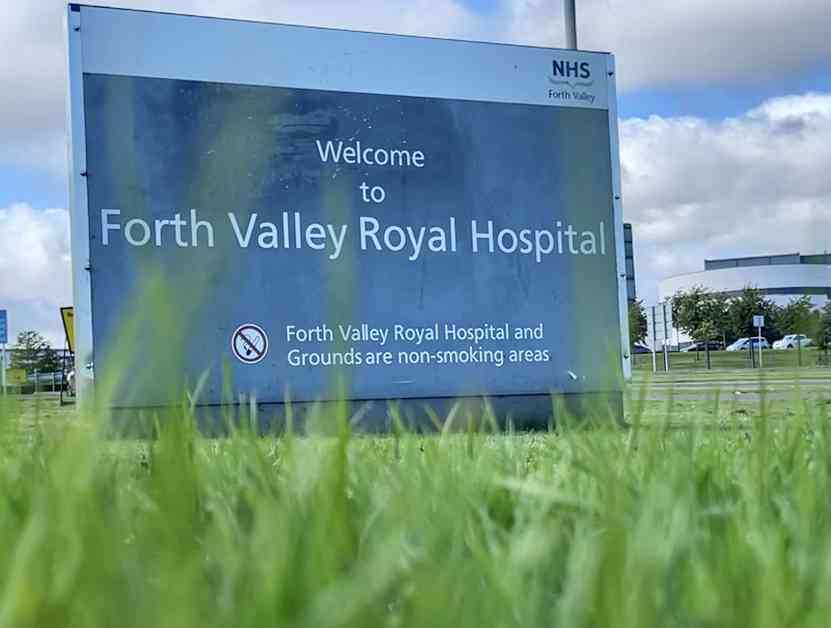
Following the disturbance at the residential property, Kieran Wozniak’s disruptive behavior continued as he made his way to Forth Valley Hospital in Larbert. Once inside the hospital premises, Wozniak’s demeanor took a turn for the worse as he unleashed a tirade of shouting, swearing, and abusive language. His conduct not only disrupted the peace and tranquility of the hospital environment but also caused distress to staff, patients, and visitors.
The incident at the hospital took a concerning turn when Wozniak began making abusive and sectarian comments, further exacerbating the already tense situation. The inflammatory remarks made by Wozniak left a lasting impact on those who were unfortunate enough to witness his outburst, highlighting the need for swift intervention to address his disruptive behavior.
Legal Proceedings and Sentencing
As a result of his actions, Kieran Wozniak found himself facing the consequences of his behavior in a court of law. Appearing before Alloa Sheriff Court on May 4, Wozniak admitted to the charges brought against him in relation to the incidents at the residential property and the hospital. His acknowledgment of the wrongdoing signaled a step towards accountability for his actions.
In light of the seriousness of the offenses committed by Wozniak, the court deferred sentencing until June 1 to allow for the preparation of reports. The decision to delay sentencing reflects the need for a thorough assessment of Wozniak’s behavior and circumstances, ensuring that an appropriate course of action is taken to address the underlying issues that led to his disruptive conduct.
The case of Kieran Wozniak serves as a stark reminder of the impact that disruptive and aggressive behavior can have on individuals, communities, and institutions. The incidents in Alloa and at Forth Valley Hospital shed light on the importance of maintaining respect, civility, and harmony in all interactions, underscoring the need for effective measures to prevent and address instances of disturbance and violence.
As the legal proceedings unfold and the sentencing approaches, the community in Alloa and beyond remains vigilant in ensuring that such incidents are not repeated. The call for accountability, responsibility, and respect resonates strongly in the aftermath of Wozniak’s disruptive actions, emphasizing the collective commitment to upholding peace, safety, and order in society.