
How to Plan a Community Event in Stirling That Works
A practical Stirling guide to choosing a community event format, finding helpers, reaching local attendees and keeping the budget clear from the start.

To plan a community event in Stirling, start by naming its purpose and the people you want to bring together, then choose a format they can reach and take part in. Check venue requirements, assign clear jobs to helpers, build a budget around confirmed costs and use local networks to share practical details. Keep a backup plan for weather, access or late changes.
A simple event can still involve decisions about permissions, accessibility, insurance, food and safety. Requirements depend on the venue and activity, so check directly with the relevant venue or organisation rather than assuming one set of rules applies across Stirling.
Use the checklist below to make decisions in order: define the event, match its scale to your group, coordinate support and track spending. A named lead and a shared planning document help volunteers stay informed as arrangements change.
- Start with a clear purpose, a defined audience and responsibilities people can manage.
- Choose a format that suits attendees, the venue and the needs of your group.
- Confirm partner roles, supplier terms and event requirements before making promises.
- Track confirmed income, commitments and spending, with a plan for changes.
Start with the purpose and the people you hope to reach
Write a clear event aim
Write one sentence describing what the event should achieve before choosing activities or a venue. A neighbourhood gathering might help residents meet one another, while a school fundraiser might bring families together around a specific cause. A clear aim makes it easier to decide what belongs in the programme and what would distract from it.
- Mistake: planning for everyone; better: identify a clear audience and invite others who may benefit.
- Mistake: starting with activities; better: agree the event's purpose first.
- Mistake: assuming what people need; better: ask potential attendees about access, timing and interests.
Name the people you hope will attend, and consider what could make participation difficult for them. Families may need a daytime start, while older residents might value seating and clear transport information. Ask potential attendees or local groups what would help, rather than relying on assumptions about what the community wants.
Agree on a practical sign of success that your team can actually observe. You might look for a mix of local groups taking part, useful conversations or enough volunteers to run each activity safely. Keep the measure proportionate: a small gathering can succeed by serving its intended neighbours, without needing to become a large public event.
Set the scope and responsibilities
Decide how much your group can realistically organise with the people and time available. A short drop-in with a few activities may be easier to staff than a full-day programme, especially if volunteers have other commitments. Set a provisional scale early, then check that each planned element has someone willing to take responsibility for it.
Choose one event lead to keep decisions moving, but do not leave every task with that person. Assign named helpers to areas such as venue contact, programme, communications and day-of coordination. Make each job specific, so a volunteer knows what they must do and when to raise a problem.
Agree how the group will make decisions and share updates, including who can approve changes to the plan. Keep a simple record of decisions, outstanding tasks and contact details in a shared document that helpers can access. This reduces confusion when someone is away and gives new volunteers a reliable place to catch up.
- Name a lead and a deputy.
- Assign each task to one person.
- Record deadlines and decisions.
- Agree how urgent changes will be shared.
Choose an event format that suits your group

Match the format to attendees
Choose a format that makes it easy for your intended audience to join in, rather than one that simply looks ambitious on paper. A drop-in session offers flexibility for people with busy schedules, while a scheduled performance or talk gives the event a shared focus. Consider how long people can comfortably stay and whether activities suit different ages.
Think about Stirling's varied neighbourhoods and how attendees will reach the event before settling on a time and place. A local gathering may work best close to the people it aims to serve, while a wider community activity may need clearer directions and transport details. Check the location's access arrangements with its operator.
Plan for the experience of arriving, taking part and leaving, not just the main activity. Provide a visible welcome point, explain where toilets and seating are, and make the programme easy to understand. If people can come and go, say so in publicity; if they need to arrive at a set time, make that clear too.
Check practical requirements early
Ask the venue or land manager what is required before announcing a location or programme. Requirements can vary with the site and activity, particularly if you plan to serve food, play amplified sound, sell items or use outdoor space. Confirm who is responsible for permissions, safety arrangements and any conditions that apply.
Check whether the proposed space works for people with different mobility, sensory and communication needs. Ask about step-free access, accessible toilets, seating, quiet areas and signage, then explain relevant details before the event. Where a feature is unavailable, be honest and consider a practical alternative rather than leaving attendees to discover the barrier on arrival.
Build a weather and cancellation plan into any outdoor event, even if the forecast looks settled when planning begins. Decide who will monitor conditions, how a change will be communicated and whether an indoor alternative is possible. Make sure helpers know when a final decision must be made and where the latest update will appear.
- Confirm site rules with the venue or land manager.
- Check access and facilities before publishing details.
- Agree a weather decision and a way to notify attendees.
- Share the latest event information in one reliable place.
Find partners and suppliers who can help
Build a useful local team
Look first for partners who already know the people your event hopes to reach. Community groups, schools, sports clubs and local organisations may be able to share information, lend experience or suggest volunteers. Be specific about what you are asking for, and let each partner decide whether the request fits its capacity and priorities.
- List the skills, equipment and contacts the event needs.
- Approach relevant local groups with a specific request.
- Confirm each partner's role, contribution and point of contact.
- Record supplier terms and arrange a backup for essential items.
Agree the contribution and responsibilities with each partner before relying on it in your plan. Confirm who will provide equipment, supervise an activity, handle a booking or communicate with attendees. For paid editorial exposure, a group can review a guest post marketplace as one option, while keeping community noticeboards and direct outreach central.
If you need suppliers, compare what is included rather than choosing on headline cost alone. Ask about delivery, set-up, collection, cancellation terms and who to contact if something goes wrong. Put agreed details in writing, and avoid treating an informal conversation as confirmation of a service your event depends on.
| Option | Best suited to | Confirm first |
|---|---|---|
| Community groups | Local knowledge and reach | Roles and capacity |
| Schools or clubs | Family and member outreach | Permission to share details |
| Event suppliers | Equipment or specialist help | Inclusions and cancellation terms |
| Direct outreach | Neighbourhood invitations | Clear event information |
Make coordination easy
Give every partner one clear contact person and share the current version of the event plan. Include the schedule, arrival instructions, responsibilities and any access or safety information that applies to their role. A single source of truth prevents volunteers from working from outdated messages or making conflicting promises to attendees.
Hold a short check-in before the event to confirm who is doing what and what remains unresolved. Invite partners to flag gaps, such as a missing volunteer for a welcome point or unclear arrangements for equipment. Record decisions and follow up with the person responsible, rather than leaving actions buried in a long group conversation.
Prepare a simple running order for the day and share it with everyone who needs it. Include set-up, opening, activity changes, breaks and clear-up, with enough flexibility for delays. Make sure a lead can make practical decisions on site, and ensure helpers know how to reach that person if plans need to change.
- Share one current plan with all partners.
- Confirm roles and arrival arrangements before the event.
- Write down outstanding actions and who owns them.
- Give helpers a day-of contact and running order.
List likely costs before committing to a venue, supplier or activity, and separate essentials from optional extras.
Set a workable budget and keep spending clear

List costs and funding sources
List likely costs before committing to a venue, supplier or activity, and separate essentials from optional extras. Common items include room hire, equipment, materials, insurance and accessible facilities, but the right list depends on the event. Ask providers for written estimates and record what each figure includes, so comparisons are fair.
Set out confirmed income separately from hoped-for contributions, such as donations or fundraising. Do not treat an unconfirmed offer as money available to spend, and check any conditions attached to grants or contributions. If funding falls short, your team can then identify which optional costs to reduce without disrupting essential arrangements.
Keep one person responsible for recording spending, but make the budget visible to the organising team. Log commitments as well as payments, since a purchase order or supplier agreement can affect what remains available. For an agency supporting communications, white label press release distribution may be relevant when outreach must run under that agency's own brand.
Track decisions and contingency
Use a straightforward budget sheet with columns for the item, estimated cost, confirmed amount, payment status and responsible person. Update it whenever a decision changes, and keep receipts or invoices with the event records. This gives the group a shared view of commitments and makes it easier to answer questions after the event.
Agree how spending decisions will be approved, especially when a last-minute purchase seems necessary. Set a clear process for checking with the event lead or treasurer before anyone uses group funds. If several people can make purchases, ask them to record the reason and keep proof of payment promptly.
Allow for a contingency that reflects the uncertainties in your plan, rather than spending the whole budget on the first estimates. Costs may change if equipment, staffing or weather arrangements need adjustment, so identify in advance which items can be scaled back. After the event, compare actual spending with the plan and note what to change next time.
- Record estimates, commitments and payments separately.
- Set an approval route for purchases.
- Keep receipts and supplier confirmations together.
- Review actual costs after the event.
Promote the event through channels people already use
Build a local notice plan
Start promotion with the people and places most likely to reach your intended attendees. Share a clear notice through your group’s existing mailing lists, social media pages and community contacts, then ask partner organisations to pass it on. Include the event’s purpose, date, time, venue details and a simple way to ask questions.
Make each notice useful at a glance, especially for people deciding whether an event fits their day. State whether booking is needed, whether children can attend, and what to expect on arrival. If the venue is not confirmed yet, say when details will be available and make sure later updates reach the same channels.
If you are considering wider coverage alongside local listings and your own channels, press release distribution uk offers one route for sending an announcement to media outlets. Treat it as one option rather than a substitute for direct community outreach. Keep the release factual, with a local angle, a contact method and details that are ready to publish.
Keep messages clear and timely
Use a consistent event name and description wherever the notice appears so people can recognise it. Ask one organiser to check dates, times, venue information and booking instructions before anything is shared. A single source of confirmed details also makes it easier to correct a mistake without leaving conflicting versions in circulation.
Plan at least one reminder close enough to the event to help people make practical arrangements, but avoid flooding channels with repeated posts. Each update should add something useful, such as a confirmed programme, travel guidance or a change in arrangements. If registration is limited, explain how places are allocated and when booking closes.
Prepare a short update for bad weather, a venue change or cancellation before promotion begins. Decide who has authority to issue it and which channels will carry the message, including a route for reaching people who have booked. Clear, prompt communication helps prevent wasted journeys and reduces confusion for volunteers dealing with questions.
Make it welcoming and accessible to attendees
Explain what attendees can expect
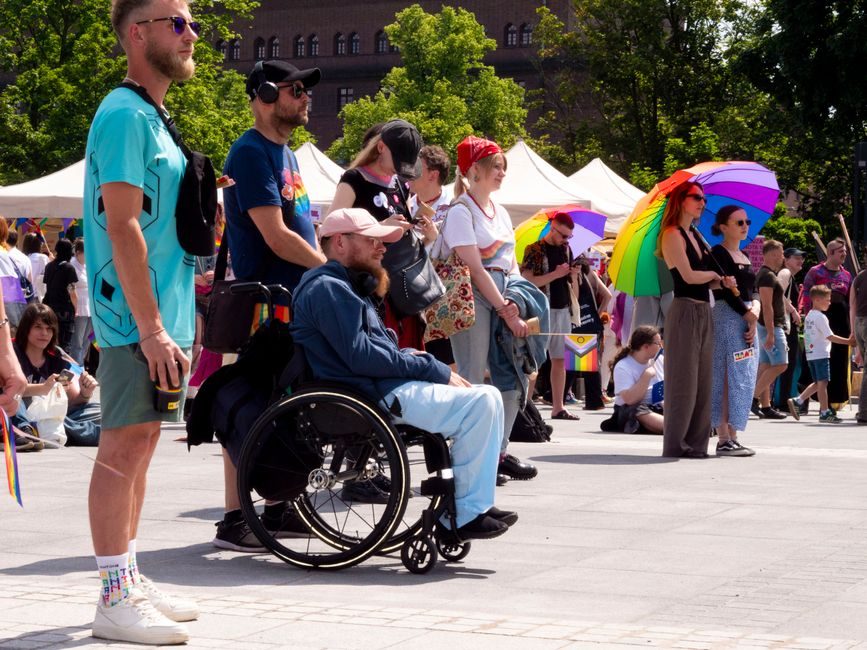
Give people enough practical information to decide whether they can attend comfortably. Describe the setting, likely activities, approximate running order and any steps needed to take part. If you do not yet know whether every access need can be met, provide a contact route so attendees can ask before making plans.
- ☐ Confirm step-free routes and toilet access with the venue.
- ☐ Publish clear arrival and booking instructions.
- ☐ Provide a contact method for access questions.
- ☐ Tell attendees about any known barriers before they travel.
Check the venue’s access arrangements directly rather than relying on assumptions based on its appearance. Ask about step-free entry, accessible toilets, seating, lighting and routes between the entrance and activity areas. Share confirmed details in the event notice, and be honest about limitations so visitors can make an informed choice.
If you are weighing paid article placements against lower-cost local promotion, buy guest posts online is one option to assess against your audience and budget. Compare its likely reach with notices through local groups, schools or community organisations before committing funds. Promotion should support access to information, not take money away from essential event arrangements.
Make arrival feel straightforward
Arrange for a named helper to welcome attendees and explain where to go when they arrive. Use signs that are easy to read from the entrance, and make sure volunteers know the programme and who can answer detailed questions. A calm first contact can reassure people who are unfamiliar with the group or venue.
Consider how people will travel to the event and what they need to know before setting off. Share verified information about nearby public transport, walking routes, parking arrangements and the venue entrance, without promising facilities you have not checked. If the event is spread across rooms or outdoor areas, give a simple map or clear directions.
Make participation flexible where possible, so people can join in without being put on the spot. Explain whether attendees may leave and return, observe rather than take part, or bring a support person. Tell volunteers how to respond respectfully to requests, and avoid asking people to disclose personal information in front of others.
Check permissions, safety and communication plans
Confirm the venue requirements
Ask the venue or relevant organiser what permissions and conditions apply before announcing a confirmed location. Requirements can depend on the site, activities and how the space will be used, so do not assume another group’s arrangements cover your event. Keep written confirmation of the people you spoke with and any conditions they gave you.
If you are considering an external writing and outreach provider, a guest posting service is one option to assess against the event’s audience and budget. First decide whether professional support would add value beyond clear notices shared through local channels. Any external work should use accurate event information and respect the group’s available funds.
Check whether your plans involve food, amplified sound, temporary structures, road use or activities that need additional safeguards. Ask the responsible venue or authority which rules apply rather than relying on general advice from another event. Record what is required, who will obtain approval and the date by which each outstanding decision must be made.
Prepare for foreseeable problems
Walk through the event as an attendee and identify where someone could become confused, separated from their group or exposed to a hazard. Consider entrances, queues, cables, wet surfaces, food handling and emergency exits where relevant. Assign a named person to check each concern and make sure helpers know how to report a problem.
Agree how volunteers will communicate during the event and who makes decisions if plans need to change. A simple contact list, agreed meeting point and charged phones may be enough for a small gathering, while larger activities may need a more formal briefing. Keep emergency procedures aligned with the venue’s instructions and explain them to helpers.
Set out what happens if the event is delayed, interrupted or cancelled, including who will communicate with attendees. Keep booking details and essential contact information in a form that authorised organisers can access, and handle personal information carefully. If an incident occurs, prioritise immediate safety, follow venue procedures and record relevant facts afterwards.
Gather feedback and record what to improve

Ask focused questions
Collect feedback while the event is fresh in people’s minds, using a method that suits the audience. A brief conversation at the end, a paper comment card or a short online form can reveal what worked and what caused difficulty. Ask a few specific questions rather than requesting general opinions that are hard to act on.
Include questions about practical details as well as the programme itself. Ask whether notices were clear, arrival was straightforward and the timing suited attendees, then leave space for suggestions. If you want feedback from people who could not attend, ask what prevented them from coming without treating any single response as representative of everyone.
If you need professional marketing support to reach a wider audience, a seo agency directory can help identify agencies whose experience you can check against a local community event. Before contacting anyone, decide what problem you need help solving and what the group can realistically spend. Keep the final choice grounded in the event’s needs.
Turn notes into practical changes
Hold a short review with organisers and helpers soon after the event, while decisions and snags are still easy to recall. Record what went well, what took extra effort and what should change next time. Separate issues that need action from preferences that may not apply to every future event.
Keep a simple event file with the final programme, confirmed venue requirements, supplier contacts, budget notes and communication templates. Store only the attendee information you need, limit access to people responsible for organising, and follow any relevant data-handling rules. Clear records prevent the next planning group from having to reconstruct basic details.
Turn the review into a small number of assigned actions rather than a long wish list. For each change, note who will check it and what information they need before the next event is planned. Share the record with the relevant organisers, and revisit it when choosing a format, venue or promotion plan.
Frequently asked questions
How far ahead should a community event be planned?Start as soon as you know the event’s purpose and likely format, because venue availability, permissions and partner input can take time to confirm. The right lead time depends on the event’s scale and complexity. Avoid announcing details as final until the venue, date and essential arrangements are confirmed, and leave room to resolve access or safety questions.
How can a small group share the planning workload?Give each helper a defined responsibility, such as venue contact, attendee updates, access checks or volunteer coordination. Keep a shared list of tasks with owners and deadlines, and agree who can make decisions if the main organiser is unavailable. A brief regular check-in helps surface delays early without creating unnecessary meetings.
What should organisers do if attendance is lower than expected?Keep the event welcoming for those who do attend, and avoid making last-minute changes that could confuse people who have already made plans. Check whether the programme, timing or information may have affected turnout, then ask attendees and partner groups for specific feedback. Record what you learn before deciding how to promote a future event.
Should attendees need to book in advance?Booking can help organisers estimate numbers, manage capacity or prepare materials, but it also adds a step for potential attendees. If the event is open to drop-ins, say so clearly; if booking is needed, explain how to do it and what happens if places fill. Choose the approach that fits the venue and activities.
A practical plan for Stirling’s next community event
A community event is easier to deliver when organisers make a few clear decisions early: who it is for, what people need to know, how the venue will work and who is responsible for each task. Share information through trusted local channels, check access and safety arrangements directly, and give attendees a straightforward way to ask questions. These basics help a plan stay useful as details change.
Choose one next step today: bring the organising group together and assign someone to confirm the venue’s requirements. Once that answer is clear, work through promotion, attendee information and volunteer roles in order, keeping decisions in a shared record. After the event, ask focused questions and capture improvements while they are fresh, so the next Stirling gathering starts with stronger local knowledge.
Add Stirling News as a preferred source on Google


